
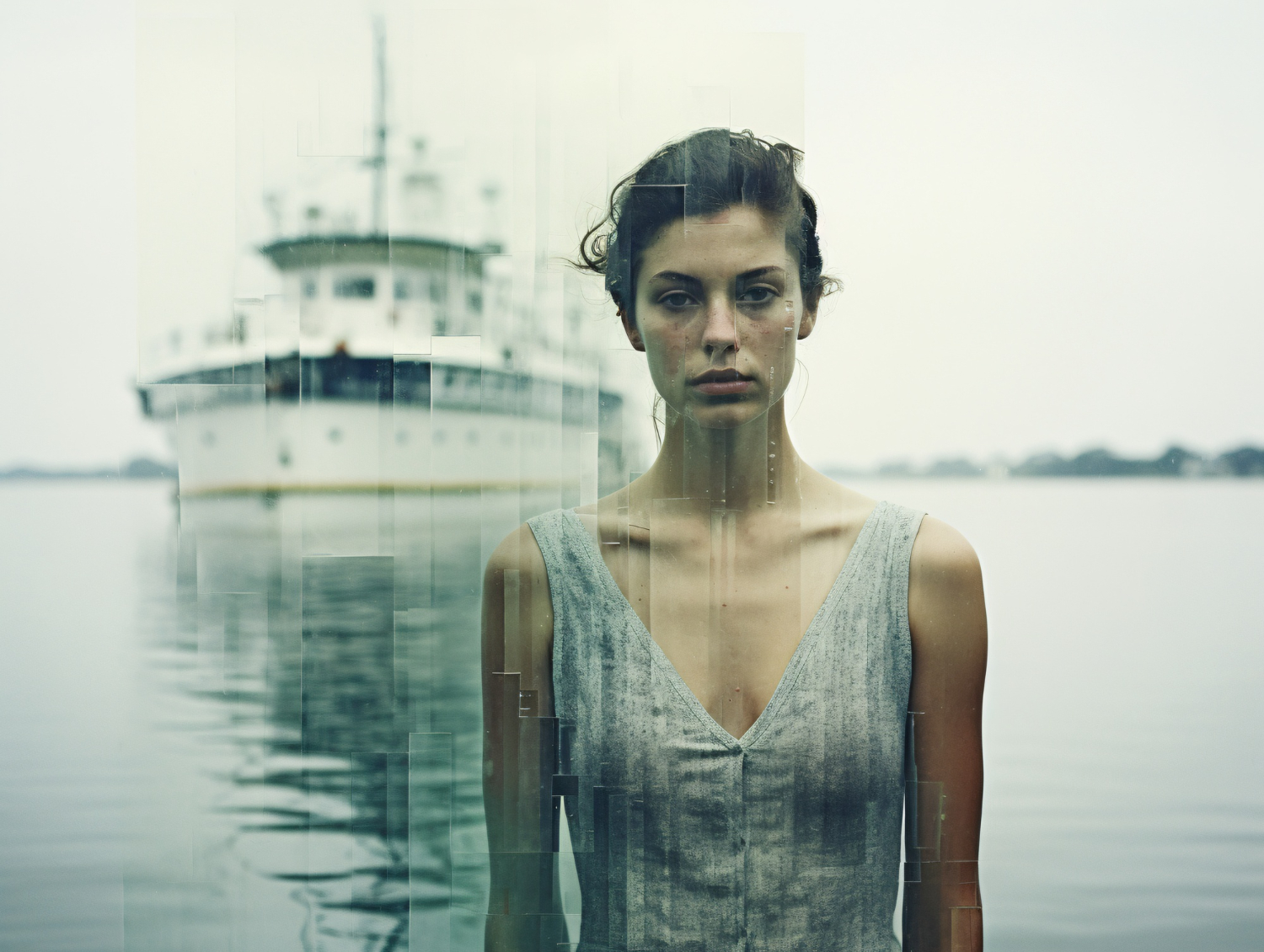
The release of a new high-resolution image model from Stability AI has captured my attention, not only because of the technical improvements but also because of what it means for digital creators, businesses, and the broader AI landscape. Over the past few years, Stability AI has been pushing the boundaries of what generative models can achieve, and with this latest development, it feels like another major step toward bridging the gap between machine-generated content and human-level artistry.
I have followed the progression of image generation technologies closely, watching how the models have evolved from producing rough, experimental visuals to generating professional-quality images that rival the work of skilled designers. This new release from Stability AI is especially exciting because it doesn’t just enhance resolution in the conventional sense; it also redefines the standards for fidelity, consistency, and creative flexibility. In this article, I want to break down what makes this model such a remarkable release, how it compares with previous iterations, and where it might take us in the near future.
A Leap Forward in Image Resolution
The first aspect of this update that stands out is the leap in image resolution capabilities. In earlier versions, models often struggled to maintain clarity when generating larger images, leading to distortions, mismatched proportions, or pixelated edges. This new model has clearly been designed to address those limitations, offering output that maintains detail even at very high resolutions.
For instance, generating an image at 4K or higher is no longer a process riddled with blurred features or awkward artifacts. Instead, what emerges are sharp visuals where textures, lighting, and subtle details are preserved with a consistency that feels almost photographic. I find this particularly important for industries like advertising, fashion, and product design, where large-format images are standard and even the smallest visual flaws can undermine the impact of a campaign.
Another advantage I have noticed is the model’s ability to maintain coherence across complex visual structures. In previous models, fine details like strands of hair, reflections in water, or text within an image often broke down when scaled. The new high-resolution model demonstrates far more stability in these areas, ensuring that creators can use the outputs directly without extensive editing.
Realism That Rivals Professional Photography
Resolution alone does not make an image convincing; realism plays an equally critical role. What I find fascinating about Stability AI’s latest model is how it merges higher resolution with improvements in texture mapping, lighting consistency, and perspective accuracy. The realism it produces is a step closer to making AI-generated images indistinguishable from professional photography.
For example, when I experiment with prompts related to landscapes, I notice a striking depth in the way mountains, clouds, and vegetation are rendered. Shadows fall naturally, light sources are consistent, and the subtle blending of colors gives the impression of a scene captured by a high-end camera. Similarly, when working with portraits, the skin tones, facial features, and reflections in the eyes achieve a level of authenticity that earlier versions often missed.
This realism opens doors for industries that rely heavily on visuals. E-commerce platforms, for instance, can now produce highly convincing product shots without the cost of physical photography. Filmmakers can storyboard with images that feel cinematic. Marketers can build campaigns with graphics that appear tailor-made for real-world settings. For me, the fact that such realism is now available at higher resolutions is what makes this release so groundbreaking.
Enhanced Control for Creative Direction
One of the criticisms I often heard about earlier image generation models was the lack of control over outputs. While they were impressive, they sometimes produced unexpected results that didn’t align with the user’s vision. Stability AI’s new release seems to take that feedback seriously, as it provides creators with greater precision and customization in how images are generated.
This enhanced control is not only about tweaking prompts but also about integrating additional parameters that refine details. Whether it’s the ability to specify lighting conditions, adjust the sharpness of textures, or balance color palettes, the model gives users more tools to ensure the final output matches their creative goals. I find this particularly helpful because it reduces the trial-and-error cycle that used to consume time and resources.
Another fascinating feature is the model’s ability to maintain stylistic consistency across multiple images. This is crucial for branding purposes, where a company might want a series of visuals that all align with the same aesthetic. Instead of manually editing outputs to achieve uniformity, creators can now rely on the model to produce a coherent series of high-resolution images that maintain a shared artistic identity.
Applications Across Multiple Industries
While I am personally drawn to the artistic and creative potential of this model, the broader implications across industries are even more compelling. The ability to generate high-resolution, realistic images has the potential to reshape workflows in fields ranging from advertising to education.
In marketing, agencies can produce campaign visuals faster and with fewer costs, eliminating the need for expensive photoshoots. In gaming, developers can create assets with higher fidelity, leading to more immersive experiences. Architecture firms can generate photorealistic renders of buildings before construction begins, while fashion designers can visualize entire collections without manufacturing a single garment.
Even beyond creative industries, the applications are vast. Healthcare educators, for instance, could use detailed medical imagery for training, while scientific researchers might visualize complex data in ways that enhance communication and engagement. The versatility of Stability AI’s model lies in its ability to serve not just as an artistic tool but also as a practical solution for real-world challenges.
Ethical Considerations in High-Resolution Generation
As exciting as these advancements are, I cannot ignore the ethical considerations that come with them. The higher the quality of generated images, the greater the risk of misuse. With this new release, it becomes even easier to create hyper-realistic visuals that could be mistaken for authentic photographs. This raises questions about misinformation, copyright infringement, and the potential for exploitation.
From my perspective, the responsibility does not lie solely with the creators but also with the platforms and developers behind these technologies. Stability AI has a duty to build safeguards that minimize misuse, whether through watermarking, stricter content filters, or policies that limit harmful applications. At the same time, users like myself need to remain conscious of how we deploy these tools, ensuring that they serve constructive and creative purposes rather than deceptive ones.
Another ethical dimension is the impact on creative professionals. While AI-generated images provide incredible opportunities, they also introduce competition for photographers, illustrators, and designers. I believe the challenge here is not to replace human creativity but to find ways for human and machine-generated art to complement one another. By treating these tools as collaborators rather than replacements, the creative industry can continue to thrive while embracing innovation.
Looking Ahead to the Future of Image Models
Reflecting on this release, I see it as both a milestone and a stepping stone. Stability AI’s high-resolution image model sets a new standard, but it also hints at the direction in which this technology is heading. Future iterations will likely push even further toward realism, perhaps achieving true photorealistic precision where distinguishing between AI-generated and human-captured images becomes nearly impossible.
I also anticipate that integration with other forms of AI will become more seamless. Imagine combining this image model with advanced text, audio, or video generation systems, creating fully immersive multimedia experiences powered entirely by artificial intelligence. Such possibilities could redefine not just the creative industry but also communication, entertainment, and education.
Another area where I expect growth is in personalization. The ability to fine-tune models for individual creators or organizations could lead to unique “house styles” generated by AI, blending the distinctiveness of human creativity with the efficiency of machine learning. For me, the thought of a personalized AI art assistant that understands my aesthetic preferences and delivers images aligned with my vision is an exciting glimpse of what lies ahead.
Conclusion
The release of Stability AI’s high-resolution image model is more than just an incremental improvement; it represents a paradigm shift in how we think about image generation. By combining higher resolution, enhanced realism, improved creative control, and broad applicability, this model offers tools that empower creators across multiple domains. At the same time, it challenges us to think carefully about ethics, responsibility, and the evolving role of human creativity in an AI-driven world.
For me, the excitement lies not just in what this model can do today but also in the possibilities it opens for the future. As these technologies continue to advance, I believe they will shape a new era of creativity, one where imagination is no longer limited by technical constraints but instead amplified by the power of artificial intelligence.
