
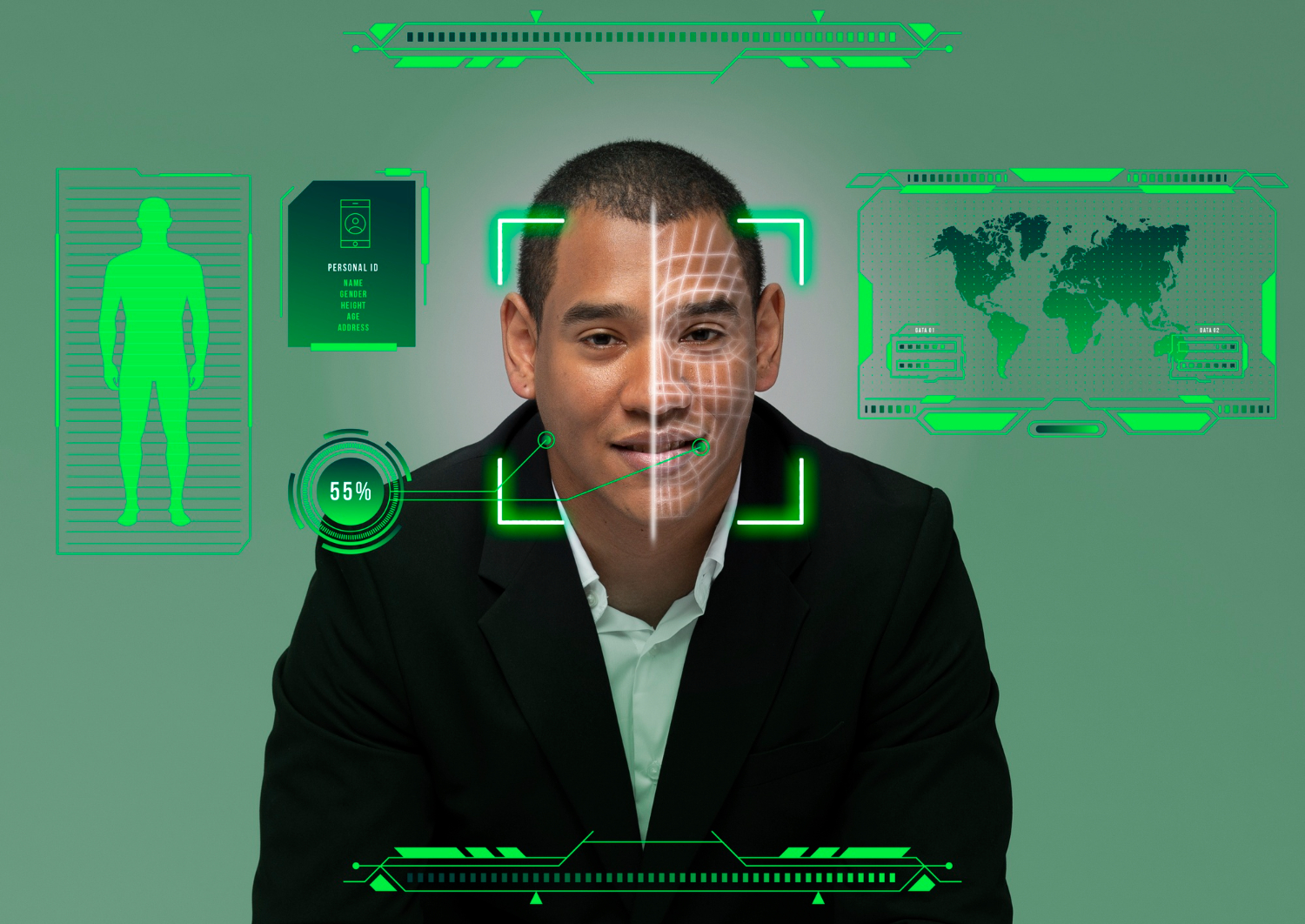
Artificial Intelligence has become deeply embedded in how societies function, and one of the most striking examples of this is its use in surveillance. The integration of AI into monitoring systems is changing how governments, corporations, and even individuals view privacy, safety, and freedom. While surveillance has always existed in some form, from neighborhood watch groups to security cameras, AI has transformed it into something far more powerful and far-reaching. The ethical dilemma arises when the very technology designed to protect us starts to blur the line between safeguarding and overstepping into personal freedoms.
The Dual Purpose of AI Surveillance
AI-driven surveillance systems are not inherently good or bad. They are tools, and like any tool, their impact depends on how they are used. On one hand, these systems can be incredibly effective in detecting crime, preventing terrorism, monitoring borders, and even assisting in public health emergencies. For example, AI can analyze vast amounts of video footage faster than a human ever could, identifying suspicious activities in real-time.
On the other hand, the same efficiency that makes AI appealing also makes it dangerous. Governments and corporations now have unprecedented access to data that can reveal not only what people do, but also where they go, who they meet, and even what they might be thinking based on behavioral patterns. The temptation to exploit this level of insight is immense, and it raises serious concerns about how much control individuals still have over their private lives.
Balancing Security and Privacy
The tension between safety and privacy is at the heart of the ethical debate. Some argue that enhanced surveillance is necessary to maintain national security, reduce crime, and protect citizens from harm. In many cases, this argument resonates strongly, especially in the wake of tragic events that might have been prevented with more effective monitoring.
Yet, the cost of increased security often comes at the expense of personal freedom. When cameras are equipped with facial recognition software and linked to vast databases, people are no longer anonymous in public spaces. Every step can be tracked, analyzed, and stored. This raises a pressing question: at what point does the pursuit of safety strip away the very freedoms it seeks to protect?
The Question of Consent
Another troubling aspect of AI surveillance is the lack of consent. In most cases, individuals do not have the choice to opt in or out of being monitored. Walking through a city equipped with cameras, using social media platforms that track behavior, or simply owning a smartphone often means becoming part of a system that constantly collects data without explicit permission.
The ethical problem is compounded when people are unaware of how much data is being collected, how it is being stored, and who has access to it. Transparency is rarely prioritized in surveillance programs, leaving individuals powerless in decisions that affect their privacy. The lack of consent shifts the balance of power heavily toward those who control the surveillance systems, often governments and corporations, while ordinary citizens are left vulnerable.
The Risk of Abuse
The power of AI surveillance also opens the door to abuse. Authoritarian governments can use these technologies to suppress dissent, monitor political opponents, and silence activists. In such contexts, surveillance is less about safety and more about control. Even in democratic societies, misuse is possible, whether by targeting minority communities disproportionately, profiling individuals unfairly, or leveraging personal data for political gain.
The potential for bias in AI systems only makes matters worse. If an algorithm is trained on biased data, it can perpetuate discrimination, such as misidentifying people of certain ethnic backgrounds or disproportionately flagging specific groups as potential threats. This not only reinforces systemic inequalities but also creates an environment of fear and mistrust.
Surveillance in the Workplace
AI surveillance is not limited to governments. Increasingly, companies are adopting these technologies to monitor employees. From keystroke tracking to real-time video monitoring, workers are under more scrutiny than ever before. Employers justify this by claiming it improves productivity, prevents misconduct, and protects company resources.
However, the consequences for employees can be dehumanizing. Constant monitoring creates a culture of distrust where workers feel they are valued less for their creativity and more for their compliance. It undermines morale, restricts freedom of expression, and blurs the boundaries between professional and personal lives. The ethical dilemma extends beyond privacy into the realm of dignity and respect in the workplace.
Public Health vs. Personal Freedom
One of the most visible uses of AI surveillance in recent years has been during public health crises. Systems were deployed to track infection rates, monitor quarantine compliance, and manage crowd movements. These measures may have saved lives, but they also created a precedent for governments to justify surveillance under the banner of public health.
The issue is not whether surveillance should be used in emergencies, but rather what happens once the crisis is over. Will governments scale back these systems, or will they remain in place, repurposed for other objectives? History suggests that powers gained during emergencies are rarely relinquished easily, leaving citizens to grapple with the long-term consequences.
The Illusion of Security
Another layer of the ethical dilemma is whether AI surveillance truly delivers on its promise of security. While advanced monitoring can deter some crimes and detect certain threats, it is far from foolproof. Overreliance on technology can create a false sense of safety, leading societies to neglect deeper social issues that surveillance cannot solve, such as poverty, inequality, or lack of education.
Moreover, the assumption that constant monitoring equals protection overlooks the psychological toll it takes on individuals. Living under the constant gaze of AI systems can lead to self-censorship, erode trust in institutions, and diminish the quality of public life. The cost of creating a “safer” environment might be a society where people no longer feel free to express themselves openly.
The Role of Regulation
If AI surveillance is to continue advancing, regulation must play a central role in defining its boundaries. Ethical frameworks need to be established that balance security with individual freedoms. Governments should be required to justify the necessity and proportionality of surveillance programs, ensuring they are not excessive or discriminatory.
Equally important is the need for transparency. Citizens should know what data is being collected, how it is stored, and how long it will remain in the system. Independent oversight bodies could help ensure accountability, preventing misuse and abuse by those in positions of power. Regulation alone may not solve every issue, but it offers a pathway toward ensuring that AI serves the public interest rather than undermining it.
Imagining a Responsible Future
Despite the risks, AI surveillance does not have to be inherently unethical. If implemented responsibly, it can enhance safety while respecting individual freedoms. This requires thoughtful design, ethical decision-making, and robust safeguards that prioritize human dignity.
For instance, developing AI systems that anonymize data before analysis, setting clear limits on how long information can be stored, and creating strict penalties for misuse are all possible measures. Encouraging public dialogue about these systems also helps ensure that citizens have a voice in shaping the technologies that affect their daily lives.
Final Reflections
The ethical dilemma of AI in surveillance is one of the most pressing debates of our time. The technology has the potential to save lives, prevent crime, and create safer societies. Yet, without proper checks and balances, it also has the potential to strip away privacy, erode freedoms, and concentrate power in the hands of a few.
I find myself both hopeful and cautious. Hopeful that AI can be shaped in ways that truly benefit humanity, and cautious because history has shown how easily powerful tools can be misused. The challenge ahead is not simply about harnessing technology but about ensuring that our values guide its development and use.
In the end, the question is not whether AI surveillance will expand, it already has, but whether societies will rise to the challenge of governing it ethically. If we succeed, AI can become a force for protection and progress. If we fail, it risks becoming one of the greatest threats to freedom in the modern age.
