
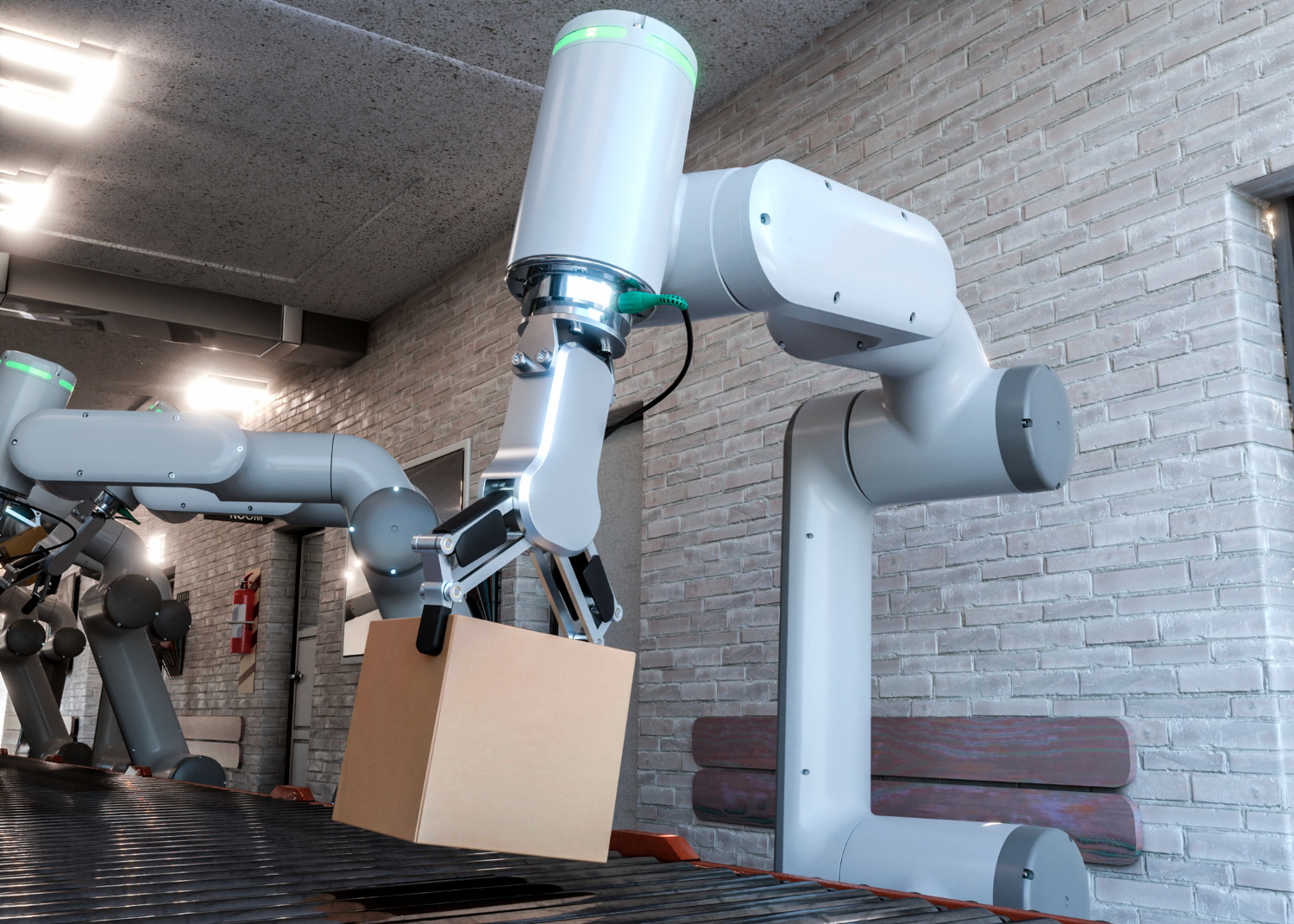
AI robotics has entered a transformative phase in manufacturing, setting new benchmarks that are reshaping industries worldwide. Factories are no longer simply spaces filled with machinery and human workers; they are evolving into highly intelligent ecosystems where machines can adapt, learn, and optimize processes in ways we once only imagined. This shift is not just about automation but about creating adaptive, data-driven environments where efficiency, accuracy, and innovation coexist seamlessly.
The New Era Of Intelligent Automation
In the past, automation was primarily about replacing repetitive manual labor with machines that could repeat the same actions at higher speeds. That model delivered significant productivity gains but remained limited by the rigidity of traditional programming. AI robotics has changed that landscape. These systems can analyze real-time data, adapt to unexpected conditions, and optimize workflows without human intervention.
In my observation, the key difference lies in adaptability. A robotic arm programmed decades ago would stop functioning if a new variable entered the environment. A modern AI-powered robotic system, however, can analyze the new variable, learn from it, and adjust its movements accordingly. This is not just a matter of faster processing power but of intelligence integrated into the machine’s decision-making process.
Precision That Redefines Manufacturing Standards
Manufacturing has always been a sector where precision matters. Small defects can have costly ripple effects, particularly in industries like aerospace, automotive, and medical equipment. With AI robotics, precision has reached unprecedented levels. The ability of machines to self-correct in real time allows manufacturers to achieve tolerances that were previously unthinkable.
In my perspective, this ability goes beyond quality assurance. AI systems can now predict potential errors before they occur, reducing waste and downtime. For example, a robotic system equipped with advanced vision recognition can identify microscopic cracks in a component during production and adapt its process instantly to compensate. The outcome is not only fewer defects but also a reduction in materials wasted.
Human And Machine Collaboration
Contrary to fears that AI robotics might fully replace human workers, the reality is that collaboration has emerged as a powerful trend. Workers are increasingly being freed from dangerous, repetitive, and monotonous tasks, allowing them to focus on higher-value responsibilities such as oversight, innovation, and creative problem-solving.
From my experience analyzing industry trends, the most successful factories are those that have found balance between humans and intelligent machines. For instance, AI-powered exoskeletons are helping workers handle heavy lifting tasks while maintaining safety and minimizing strain. Collaborative robots, or cobots, are working side by side with humans on production lines, assisting rather than replacing them. This collaboration ensures safety while also enhancing efficiency.
Benchmarking Efficiency And Output
One of the most remarkable benchmarks achieved through AI robotics is efficiency in throughput. Smart factories equipped with predictive maintenance tools and adaptive robotics are reporting record-breaking production rates without sacrificing quality. This is largely due to the capability of AI systems to analyze machine performance, detect subtle signals of wear and tear, and automatically schedule maintenance before failures occur.
I have found that this proactive approach to maintenance represents a huge leap from the reactive maintenance strategies of the past. Downtime, once a major bottleneck in manufacturing, is being minimized significantly. Manufacturers now measure downtime in minutes rather than hours, giving them a competitive edge.
Sustainability Through Smarter Robotics
Sustainability has become a pressing issue across industries, and manufacturing is no exception. AI robotics is helping manufacturers reduce their environmental impact by optimizing energy use, reducing waste, and enhancing resource efficiency.
For example, robotic systems guided by AI can dynamically adjust energy consumption during off-peak production hours or when machines are idle. This optimization leads to a measurable reduction in overall energy demand. Additionally, adaptive robotics reduce scrap material by ensuring greater precision and minimizing production errors. In my view, these contributions demonstrate that the intersection of AI and manufacturing is not only about efficiency but also about responsibility to the planet.
The Role Of Predictive Analytics
Predictive analytics has become a core capability within AI robotics. Machines can now process vast amounts of operational data in real time, identifying patterns and predicting outcomes with high accuracy. For manufacturers, this capability translates into proactive decision-making.
I see predictive analytics being applied in quality control, supply chain management, and even workforce allocation. A robotic system can anticipate fluctuations in demand and adjust production schedules accordingly. Similarly, supply chain disruptions can be mitigated by analyzing external data, from weather forecasts to political developments, allowing factories to remain resilient and agile.
Breakthroughs In Autonomous Robotics
One of the most exciting developments has been the progress in autonomous robotics. Robots that once required constant supervision are now capable of performing complex tasks independently. These breakthroughs are particularly evident in logistics and assembly lines, where autonomous mobile robots transport materials, organize inventory, and even assemble components with minimal oversight.
From my perspective, the significance of autonomy is that it pushes the boundaries of what was traditionally considered possible in manufacturing. Factories no longer need rigid, pre-designed layouts; instead, mobile robots can reconfigure workflows dynamically. This flexibility represents a new benchmark in operational adaptability.
Data-Driven Quality Control
Quality control has always been an essential pillar of manufacturing, but AI robotics has elevated it to a new level. Using real-time data, robotic systems equipped with advanced sensors can inspect thousands of products per minute, identifying flaws far beyond the capabilities of the human eye.
What stands out to me is not just the speed but the accuracy of these systems. Defects can be caught earlier in the production process, ensuring that issues are corrected before large batches are compromised. As a result, manufacturers can reduce costs, protect brand reputation, and deliver superior products consistently.
Workforce Upskilling And Future Roles
The rise of AI robotics also creates a demand for new skill sets within the workforce. Traditional assembly line roles are giving way to jobs that focus on programming, monitoring, and maintaining intelligent machines. This shift requires ongoing training and reskilling efforts to ensure workers remain valuable contributors in this new industrial landscape.
I believe this trend highlights an important truth: the future of manufacturing is not about machines versus humans but about how humans adapt to work alongside intelligent systems. Workers who embrace continuous learning and adaptability will thrive in factories where robotics are not competitors but collaborators.
Challenges That Remain
While the benchmarks achieved by AI robotics are groundbreaking, challenges remain. High implementation costs, data security concerns, and the complexity of integrating new systems into legacy environments are obstacles many manufacturers must overcome.
In my assessment, the key lies in strategic planning and gradual integration. Rather than attempting a complete overhaul, successful manufacturers are adopting phased approaches, testing AI robotics in specific areas before scaling them across the entire factory. This approach minimizes risk while still allowing companies to benefit from innovation.
The Global Competitive Landscape
The race to adopt AI robotics in manufacturing is global. Countries with strong industrial bases are investing heavily in research, development, and deployment of these technologies. Nations such as Germany, Japan, and China are setting ambitious benchmarks, while emerging economies are beginning to integrate robotics into their manufacturing strategies as well.
From my perspective, this competitive landscape underscores the importance of staying ahead of technological trends. Companies that delay adoption risk falling behind, not only in terms of efficiency but also in global market relevance.
Looking Toward The Next Benchmark
The benchmarks achieved by AI robotics today are impressive, but they are far from the final destination. Future advancements may include even greater autonomy, integration of generative design capabilities, and full connectivity across global supply chains. These possibilities suggest that manufacturing will continue to evolve into an even more intelligent, efficient, and sustainable sector.
In my view, the trajectory is clear: AI robotics will not only continue to raise the bar but will redefine what benchmarks mean altogether. The focus will shift from simply achieving efficiency to creating manufacturing ecosystems that are adaptive, resilient, and deeply integrated with global technological networks.
