
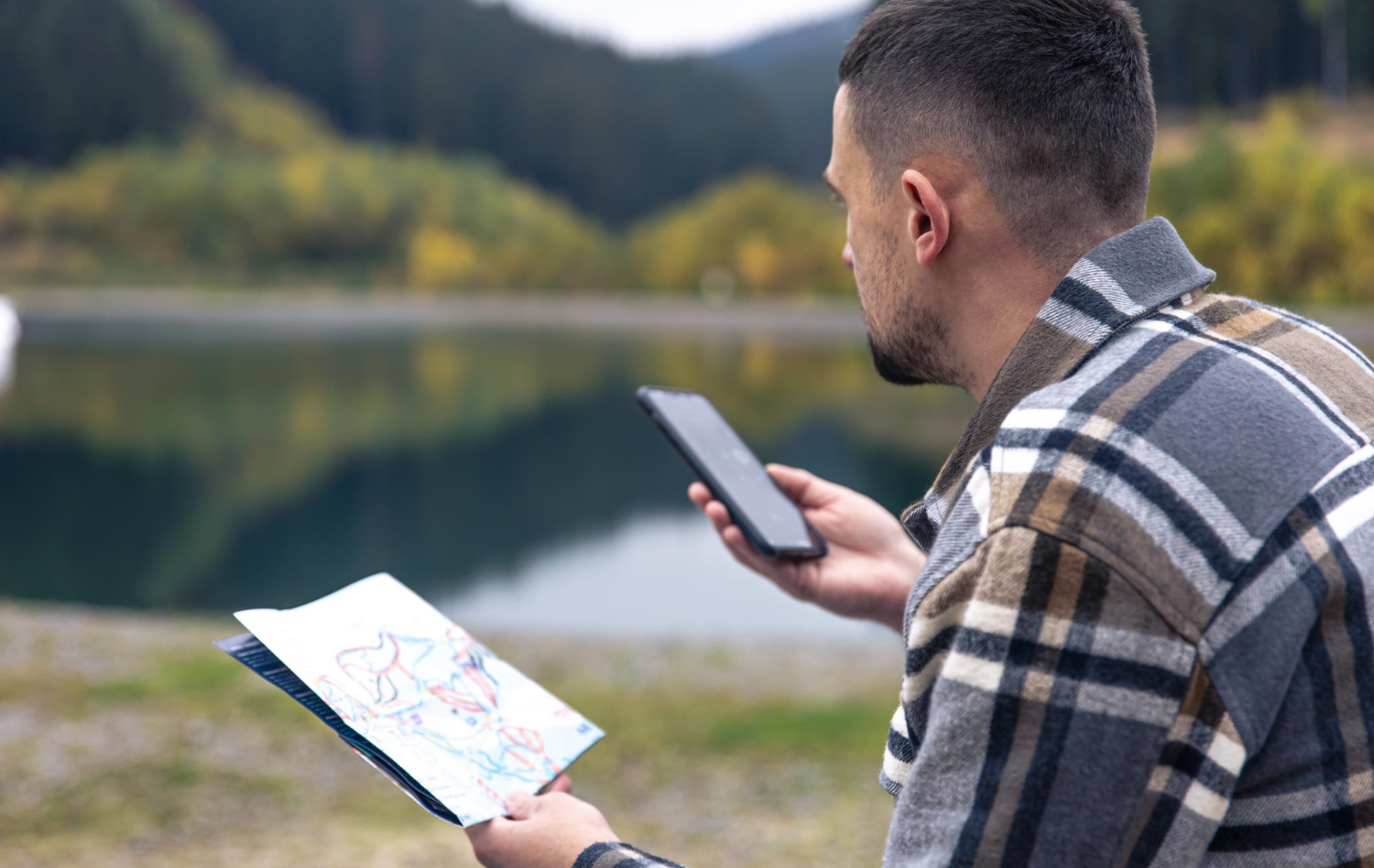
Traveling to a country where I don’t speak the language has always been both exciting and challenging. On one hand, I get to immerse myself in new cultures, taste authentic food, and explore places far different from home. On the other, I’ve had moments where I felt completely stuck because I couldn’t communicate properly with locals. That’s where AI translation apps have become one of my most reliable tools while traveling. These apps have transformed how I interact with people, making it easier to navigate foreign streets, order food at small restaurants, and even strike up casual conversations with locals who don’t speak my language.
Why AI Translation Apps Are Essential for Travelers
When traveling, communication is often the biggest barrier. Traditional phrasebooks only go so far, and while pointing at objects or miming can sometimes work, it’s not always effective. AI-powered translation apps provide instant translations in dozens of languages, often with the ability to speak into the app and get an audible translation right away. That instant feedback is invaluable when I’m standing in front of a street vendor or trying to ask for directions.
What makes these apps even more practical is how they adapt to different situations. They can translate menus, street signs, and even handwritten notes just by scanning them with the phone’s camera. This versatility is what sets AI translation apart from older tools. It goes beyond word-for-word translation by offering context-aware responses that make conversations more natural and less robotic.
Getting Started with AI Translation Apps
When I first downloaded an AI translation app before a trip abroad, I didn’t realize how much preparation could make my experience smoother. Setting up the app before traveling is important. I always download the languages I know I’ll need for offline use because internet access isn’t guaranteed everywhere. Nothing is more frustrating than opening the app only to find it doesn’t work in a remote area without Wi-Fi or data.
Another thing I learned is to test the app at home. I often practice simple phrases in advance to see how the app handles speech recognition. Doing this gives me confidence that it will work when I need it most. I also check the pronunciation guide because I sometimes prefer speaking the phrase myself instead of letting my phone do all the talking.
Using AI Translation for Everyday Interactions
During my travels, AI translation apps have proven useful in everyday interactions. For example, when I sit down in a small café in a rural town, the menu might only be in the local language. Instead of guessing what the dishes are, I can use the camera feature to scan the menu. Within seconds, I get a translated version, and I feel more confident in ordering something I’ll actually enjoy.
Conversations are another major area where these apps shine. I’ve had moments where a local wants to recommend a hidden spot or tell me about local traditions. With the app, I can hand over my phone, and we can both speak into it, letting the app translate back and forth. This type of exchange creates a much deeper connection with people compared to just nodding and smiling because I don’t understand them.
Overcoming Cultural Barriers with AI Translation
One of the most surprising benefits of using AI translation apps while traveling is how they help overcome cultural barriers. Communication isn’t just about words; it’s about respect. By attempting to speak with locals in their language, even with the help of an app, I’ve noticed people respond more warmly. They appreciate the effort, even if the translation isn’t perfect.
This small bridge of communication has led me to discover local markets, events, and places that I would never have found in a guidebook. Locals often go out of their way to show me around when they see I’m making an effort. The app acts as a tool, but the connection that forms because of it feels genuine.
Navigating Transportation with AI Translation
Transportation is an area where AI translation has saved me more than once. Whether it’s buying a ticket at a train station or negotiating a taxi ride, clear communication can prevent costly mistakes. I remember trying to get on a bus in a rural town where no one spoke English. The driver couldn’t understand my question about the route, and I couldn’t read the signs. By speaking into my app, I quickly got the translation and confirmed that I was boarding the correct bus.
In big cities, AI translation helps with ride-hailing apps too. Some drivers may not speak English, and having a translation app ensures I can explain where I want to go or ask about alternative routes if traffic is bad. It makes the entire experience smoother and less stressful.
Handling Emergencies with AI Translation
Travel doesn’t always go according to plan. I’ve faced situations where I needed to find a pharmacy, explain symptoms to a doctor, or ask for help in an emergency. In moments like these, being able to communicate quickly and accurately is crucial. AI translation apps give me peace of mind because I know I have a lifeline in case something goes wrong.
Even though I wouldn’t rely on them entirely in medical emergencies, they still help bridge the gap until I can find professional help. For example, explaining allergies or medications with the app has been incredibly helpful. It reduces the risk of miscommunication, which is essential when dealing with health issues in a foreign country.
Avoiding Common Mistakes When Using AI Translation Apps
While these apps are incredibly powerful, they’re not perfect. I’ve learned to avoid relying solely on them without some preparation. Translations can sometimes come out awkward or incorrect. For example, idioms or slang don’t always translate well, which can cause confusion. That’s why I try to keep my phrases simple and clear, avoiding complicated sentences.
Another mistake I made early on was forgetting to download offline languages. Without internet, some apps become almost useless, and that can leave me stranded. Now, I always make sure to check that the offline mode works before I travel. I also carry a backup phrasebook just in case my phone dies or the app fails unexpectedly.
Enhancing Cultural Experiences with AI Translation
The real magic of these apps isn’t just about convenience but about enhancing cultural experiences. When I travel, I want more than sightseeing; I want to feel part of the culture. With AI translation, I’ve been able to talk to local shopkeepers, ask about traditions, and even learn a few words directly from locals. This not only makes travel more enriching but also leaves me with stories I would never have experienced otherwise.
One time, in a small village, I used my app to compliment a woman’s cooking at a food stall. She smiled, laughed, and insisted I join her family at their table. That interaction turned into one of my most memorable experiences abroad, and it wouldn’t have happened without the app making communication possible.
The Future of AI Translation in Travel
Looking ahead, I see AI translation becoming even more advanced. Real-time translation through wearable devices, such as smart glasses or earbuds, could eliminate the need to constantly pull out a phone. Imagine walking through a market and hearing translations instantly through an earpiece. That kind of technology will make travel even more seamless.
I also think AI translation will continue to improve context awareness, so conversations will feel more natural. Right now, it’s already impressive, but in the future, apps may be able to detect cultural nuances, tone, and formality levels. This would make interactions even smoother and prevent misunderstandings that sometimes arise from direct translations.
Building Confidence Through AI Translation
What I appreciate most about using AI translation while traveling is the confidence it gives me. Before I started relying on these apps, I often felt anxious about going to places where I couldn’t speak the language. Now, I see language as less of a barrier and more of an adventure. Knowing that I have a reliable tool in my pocket makes me more open to exploring off-the-beaten-path locations without fear of miscommunication.
This confidence has changed the way I travel. Instead of sticking to tourist-heavy areas where English is common, I venture into smaller towns, local markets, and neighborhoods where I get a more authentic experience. The app acts as my safety net, but the courage it gives me is what makes my travels richer.
Balancing Technology with Personal Interaction
Even though I rely heavily on these apps, I also remind myself not to let technology replace genuine human interaction. AI translation is a bridge, but it’s not a substitute for making the effort to learn at least a few basic phrases in the local language. Saying hello, thank you, or please in the local tongue often goes a long way in showing respect.
I find that when I combine my effort with the assistance of AI, people are much more receptive. It makes communication smoother, and I avoid the impression that I’m completely dependent on my phone. Balance is key, technology helps, but effort matters even more.
Conclusion
Traveling with AI translation apps has completely reshaped how I experience different cultures. They give me the freedom to explore without fear of miscommunication, help me in emergencies, and open doors to connections I never thought possible. While they’re not flawless, the benefits far outweigh the limitations, and I can’t imagine traveling without them anymore.
As technology continues to improve, I’m excited to see how AI will make travel even more accessible and enriching. For now, these apps remain one of the most powerful tools in my travel toolkit, allowing me to step into the world with curiosity, confidence, and a deeper sense of connection.
