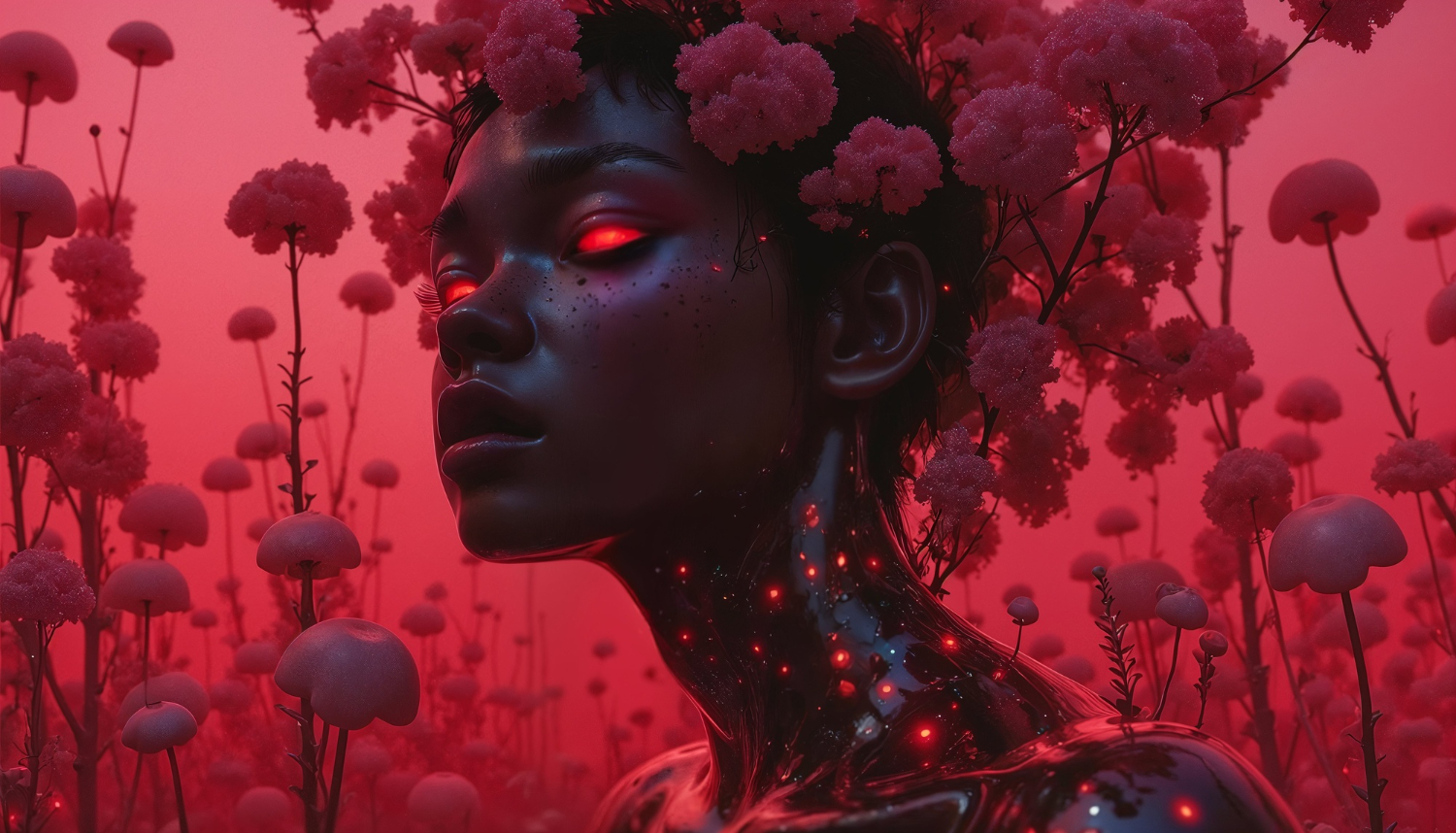
The world of digital creativity continues to evolve, and the arrival of a new AI art generator that allows direct control over style and mood feels like a game-changer. For years, I’ve explored different creative platforms, from early text-to-image models that were fascinating yet clunky, to more recent systems that could produce truly stunning visuals. But even with those improvements, one problem persisted: it often felt like the AI was steering the creative process instead of me. This new tool changes that dynamic by giving me, the creator, more freedom to direct exactly how the art should feel, whether that’s bright and whimsical, dark and moody, or highly realistic.
The Shift Toward Creative Control
What excites me most about this development is how it addresses the gap between technical possibility and artistic expression. Early AI art tools could generate an image from a text prompt, but the results often lacked nuance. I could write “a rainy street at night in a cyberpunk style,” and while the output might be visually impressive, the mood didn’t always match what I had in mind. Sometimes it was too dramatic, other times too flat. What this new system does differently is allow for deeper customization by letting me fine-tune not only the visual details but also the emotional tone embedded in the artwork.
Instead of relying on generic style descriptions, I can now guide the system in a way that resembles working with a real-life artist. It feels less like random image generation and more like a collaborative creative process where I can say, “Make it feel nostalgic,” or “Give it an air of melancholy.” This leap in functionality is what makes the tool feel revolutionary to me.
Style as a Flexible Medium
In traditional art, style defines how a piece communicates its subject. An impressionist might capture the essence of light and color, while a realist focuses on detail and precision. With AI, style often comes prepackaged in the form of prompts referencing famous painters or artistic movements. That method works, but it can be limiting. What I appreciate about the new generator is that it treats style as something fluid and adaptable.
I can blend multiple styles in one piece without confusing the system. For example, I might combine elements of Japanese ink painting with digital futurism, and the generator responds smoothly, giving me results that look coherent rather than disjointed. This flexibility means I can push boundaries and experiment with styles that would be difficult to achieve with conventional tools. It feels less like borrowing from the past and more like inventing something entirely new.
Mood as an Essential Layer
The addition of mood controls is where the experience truly shifts. Art has always been about more than just shapes and colors, it’s about how those elements make us feel. Previously, I had to rely on vague prompts like “dramatic lighting” or “serene atmosphere” to influence mood, but the results were unpredictable. Now, with direct mood adjustment, I can create a single subject in multiple emotional contexts with surprising precision.
For example, I tested the system by asking it to generate an image of a lone tree on a hill. By adjusting the mood to “hopeful,” the scene filled with soft morning light and warm tones. When I shifted the mood to “foreboding,” the same tree appeared under stormy skies with jagged shadows. Both images told completely different stories, even though the subject remained the same. This kind of control allows me to think more like a director shaping a film scene rather than someone typing random descriptions into a machine.
A Tool for Artists and Non-Artists Alike
One of the fascinating aspects of this generator is how it opens doors for people who don’t necessarily identify as artists. I’ve shown it to friends who say they can’t draw, and within minutes they were creating pieces that reflected their personal vision. The system lowers the barrier to entry, making art accessible to anyone who can describe how they want something to look and feel.
For experienced artists, the tool works differently. Instead of replacing traditional skills, it becomes a supplement. A painter might use it to explore concepts before committing them to canvas. A digital illustrator could experiment with moods and compositions to inspire new directions for a project. What matters is that the generator respects creative intent, which hasn’t always been the case with older systems.
Implications for Digital Storytelling
The ability to control style and mood has implications beyond individual artworks. I see potential in storytelling, advertising, and even education. Writers can use the tool to visualize key scenes from novels or scripts, ensuring that the emotional tone matches their narrative. Brands can create marketing visuals that align with the exact mood they want to convey, whether it’s playful, serious, or inspirational. Teachers can design custom images that enhance lesson plans by connecting visuals with emotional cues, making concepts more memorable for students.
This adaptability makes the generator more than just an art tool, it becomes a storytelling companion. Instead of being limited by stock photos or pre-designed templates, I can create imagery that reflects the precise atmosphere I’m trying to build. That level of customization feels like a step toward a more expressive digital future.
The Balance Between Human Creativity and AI
Of course, the question always comes up: does giving AI more control over art undermine human creativity? My experience with this generator suggests the opposite. Instead of replacing imagination, it amplifies it. The AI doesn’t create on its own, it responds to my direction, almost like a brush that adapts to my thoughts. The quality of the output still depends heavily on how clearly I express my vision.
What makes this exciting is how it encourages experimentation. I’ve found myself trying moods and styles I might never have considered before because the system makes it easy to explore “what if” scenarios. It doesn’t remove the need for creative decision-making, it actually requires more of it, because now I have so many more variables to play with.
Challenges and Limitations
No technology is without its flaws, and this generator is no exception. Sometimes the mood shifts feel exaggerated, creating results that are too literal or heavy-handed. I’ve also noticed that extremely abstract moods don’t always translate well, leading to images that feel confusing rather than evocative. Style blending, while impressive, can also produce strange artifacts if I push the combinations too far.
There’s also the ongoing ethical debate about training data. Like other AI art systems, this generator relies on massive datasets, and questions remain about where that data comes from and whether artists are adequately credited. As much as I admire the creative power of the tool, I believe it’s important for developers to maintain transparency and fair practices to ensure the technology benefits everyone involved.
Future of Interactive Creativity
Looking ahead, I can imagine even more immersive possibilities. Imagine pairing mood control with music or animation so that an image could evolve dynamically based on emotional cues. Or integrating haptic feedback so that artists could “feel” the mood as they create. These ideas might sound futuristic, but with the pace of AI innovation, they don’t seem far off.
The real future lies in collaboration between human imagination and machine capability. I see this generator as an early sign of what’s possible: tools that adapt to us instead of forcing us to adapt to them. The fact that I can now control not just what an image looks like but also how it feels suggests that we’re entering a new era where art becomes more interactive and responsive than ever before.
Conclusion
The introduction of an AI art generator that lets me control style and mood feels like a milestone in the evolution of digital creativity. It’s not just about generating pretty pictures, it’s about giving me the power to guide the artistic process in ways that reflect my unique vision. By combining flexibility, emotional depth, and accessibility, the tool expands the definition of what digital art can be.
For artists, it provides a new way to experiment and push creative boundaries. For non-artists, it offers a pathway into self-expression without the intimidation of traditional techniques. For storytellers, it opens new possibilities for aligning imagery with narrative emotion.
As I continue experimenting, I feel less like I’m watching AI replace creativity and more like I’m witnessing creativity itself evolve. The brush, the canvas, and the imagination remain mine, the only difference is that the tool I’m holding now is smarter, more responsive, and more attuned to the emotional heart of the art I want to create.
