
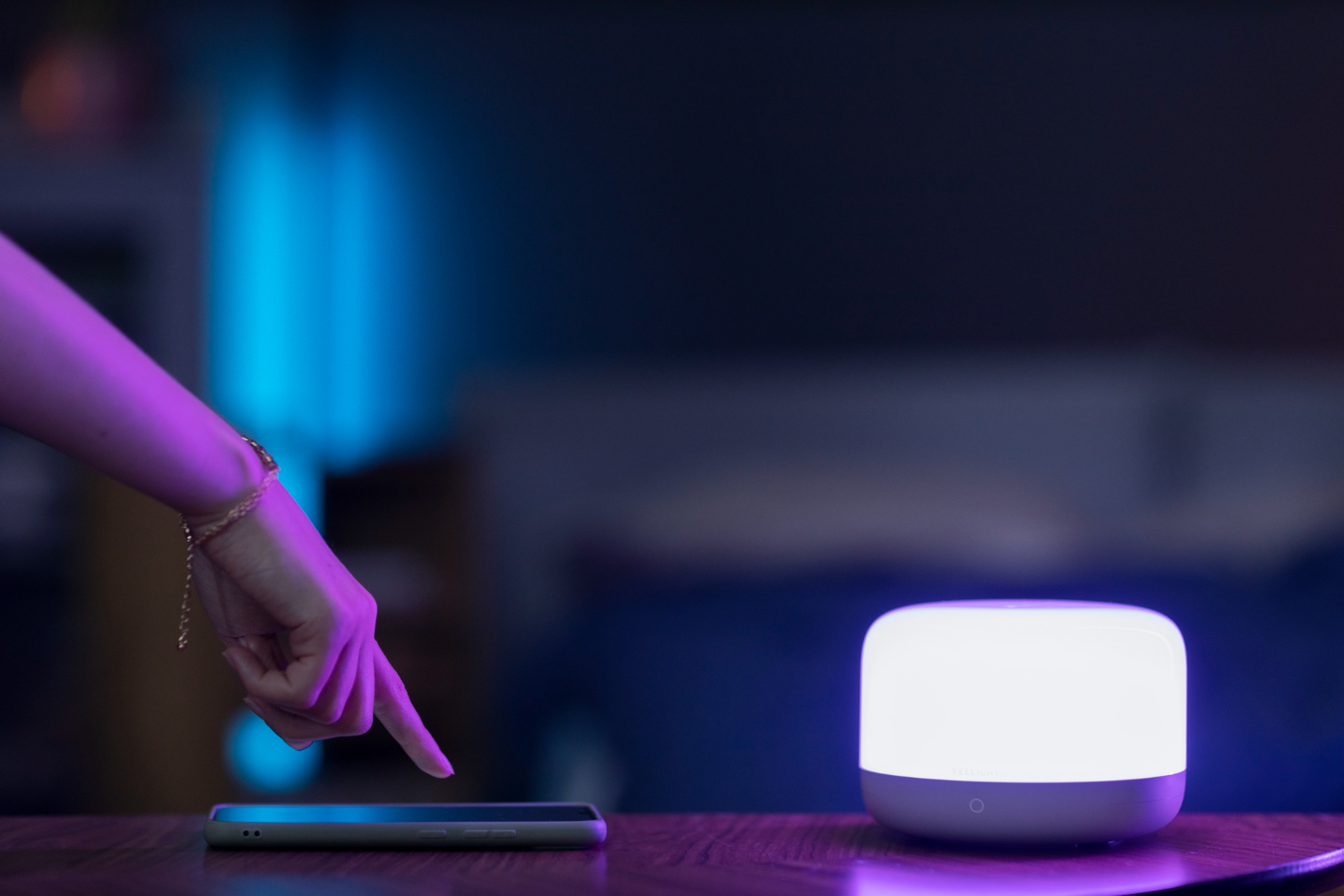
AI voice assistants have already changed how I interact with my phone, making simple tasks faster and more intuitive. What used to take several taps or swipes can now be done with a simple spoken command, and that shift has created a new relationship between people and their devices. Looking ahead, it is clear that these assistants will become more central to the smartphone experience, and their development will shape not only how I use my phone but also how technology integrates into daily life.
Evolution of Voice Assistants
Voice assistants on smartphones started as basic tools for setting reminders, searching the web, or sending quick messages. Over time, they have grown into multifunctional digital companions capable of handling complex queries, managing smart home devices, and even holding conversations. In my own experience, the biggest change has been how natural the interactions feel today compared to just a few years ago. Instead of giving stiff, robotic commands, I can speak casually and still be understood.
The progress has been driven by advancements in natural language processing, machine learning, and neural networks. These systems allow assistants to pick up on context, adapt to my speech patterns, and even anticipate needs before I explicitly ask for them. This trajectory suggests that the future will hold even greater personalization and accuracy, with assistants becoming proactive partners rather than passive tools.
Growing Integration With Daily Life
One of the most exciting aspects I see in the future of AI voice assistants is their seamless integration into everyday routines. Right now, I already rely on mine for directions, calendar reminders, and quick searches. But as they improve, these assistants will be able to coordinate across multiple aspects of life. Imagine waking up and having the assistant not only provide a weather update but also adjust the thermostat, brew coffee through a smart machine, and remind me of traffic conditions, all without me asking.
This kind of integration requires deep learning from user behavior. The assistant will need to understand habits, preferences, and priorities in ways that respect privacy but still offer convenience. If developed responsibly, this balance could make smartphones feel like extensions of ourselves, anticipating and responding to our needs almost intuitively.
Shifting From Reactive To Proactive
At present, most assistants respond to commands, but I believe the future lies in them being more proactive. Instead of me asking for traffic conditions, my assistant could notify me earlier that I need to leave because of an unexpected delay. Rather than waiting for me to schedule a meeting, it could suggest a time based on my availability and the schedules of others involved.
This proactive capability will save time, reduce stress, and minimize decision fatigue. However, it also raises challenges. Too much automation can feel intrusive, and assistants must learn the fine line between being helpful and being overbearing. Personalization will be key, allowing users like me to decide how proactive the assistant should be.
Multimodal Interactions
The future of smartphone assistants will not just be about voice. While speaking commands feels natural, there are times when I prefer to type or tap quietly. That’s where multimodal interactions come in. Future assistants will combine voice with touch, text, and even gesture recognition.
I imagine being able to give a quick spoken command while driving, but switching to text input in a crowded space without drawing attention. Assistants will seamlessly handle these transitions, making the experience more flexible and natural. With advancements in smartphone cameras and sensors, gestures or even facial expressions could eventually become part of the interaction model.
Personalization Through Context Awareness
The greatest value I see coming is in context awareness. Right now, my assistant recognizes what I say, but in the future, it will understand why I’m saying it. Context comes from location, time, past behavior, and even emotional cues in my voice. For example, if I ask about restaurants at 6 p.m., the assistant should assume I want dinner suggestions rather than breakfast spots.
Over time, context awareness will deepen. If it notices I have been working long hours, it could recommend a break or suggest activities to help me unwind. If I frequently travel, it might automatically prepare boarding passes, language translation tools, or travel updates. This level of personalization will make the assistant feel less like software and more like a companion that understands my lifestyle.
Advances In Multilingual Capabilities
Another area where I expect significant growth is multilingual support. Currently, assistants can handle several languages, but switching between them in conversation is often clumsy. The future will bring fluid transitions, allowing me to speak in one language and receive answers in another without interruption.
This will be a huge breakthrough for global communication. It means I can travel abroad and interact naturally with locals using my phone as an interpreter in real time. For people who live in multilingual households, assistants will seamlessly handle mixed-language conversations, making them far more inclusive.
Privacy And Ethical Challenges
As assistants grow smarter, the concern about privacy becomes even more important. For these tools to provide proactive and personalized support, they must collect and analyze a lot of personal data. That creates a dilemma: how much information should they have access to in order to be useful, and how much is too much?
In my perspective, companies building these assistants must place transparency and user control at the center. I want to decide what data is stored, how it is used, and whether it can be deleted permanently. Without strong privacy measures, even the most advanced assistant risks losing trust. The future will depend not only on technical progress but also on how responsibly companies manage data.
Role Of AI In Accessibility
One of the most powerful uses of AI voice assistants in smartphones will be in accessibility. For individuals with visual impairments, physical disabilities, or difficulties with traditional inputs, these assistants already provide essential support. In the future, I see them becoming even more inclusive, offering tailored solutions that adapt to specific needs.
For example, someone who cannot use touchscreens effectively might rely almost entirely on voice commands, with the assistant adjusting to their speech patterns over time. Multimodal support could allow gestures or facial expressions to substitute for certain commands, opening new pathways for accessibility. This inclusivity ensures that as assistants grow more advanced, they do not leave anyone behind.
Integration With Augmented And Virtual Reality
Looking further ahead, I see voice assistants playing a central role in augmented reality (AR) and virtual reality (VR). As smartphones increasingly integrate with AR experiences, assistants could act as navigators within digital environments. Instead of tapping through menus in an AR headset, I could simply speak commands, making the interaction more natural and immersive.
In VR, voice assistants could act as guides, helping me move through virtual spaces, find information, or collaborate with others. This will extend their relevance beyond the phone screen, embedding them in future digital ecosystems where voice is often the most intuitive form of input.
The Shift Toward On-Device Processing
A big change coming is the move from cloud-based processing to on-device processing. Today, most assistants send voice data to servers for analysis, which raises privacy and speed concerns. With advances in smartphone chip technology, future assistants will process more data directly on the device.
For me, this means faster responses, fewer delays, and stronger privacy protections since sensitive data won’t always leave my phone. On-device processing will also allow assistants to work effectively without a constant internet connection, making them more reliable in different situations.
Collaboration Between Assistants And Apps
Currently, assistants often feel like separate tools that I summon when needed. In the future, I see them becoming the primary interface for interacting with apps. Instead of opening individual apps, I could simply tell my assistant what I want, and it would coordinate across multiple platforms to deliver results.
If I want to plan a night out, I wouldn’t need to separately check maps, restaurant apps, and messaging platforms. My assistant could combine all these functions, finding a restaurant, booking a table, arranging transport, and notifying friends, without me switching between apps. This level of integration will transform how I interact with smartphones entirely.
The Humanization Of Assistants
As technology advances, I anticipate that assistants will begin to adopt more human-like qualities. This does not mean they will replace human interaction, but their tone, responses, and emotional intelligence will feel more natural. They may even adapt their communication style to suit individual personalities.
For me, this raises both excitement and caution. On one hand, it will make interactions smoother and more enjoyable. On the other, it blurs the line between software and companionship, raising ethical questions about dependency and emotional attachment. Still, the drive toward more natural communication seems inevitable.
Conclusion
The future of AI voice assistants in smartphones is filled with potential. From deeper personalization and proactive support to integration with AR, accessibility improvements, and stronger privacy protections, these assistants will shape how I experience technology on a daily basis. They will evolve from tools into partners, capable of managing tasks, offering guidance, and anticipating needs.
While challenges around privacy, ethics, and humanization remain, the benefits of these developments cannot be ignored. As these assistants grow smarter and more context-aware, they will redefine what it means to interact with a smartphone. For me, the real promise lies not just in convenience but in creating a seamless, inclusive, and empowering digital experience where my phone understands and supports me in ways I once thought impossible.
