
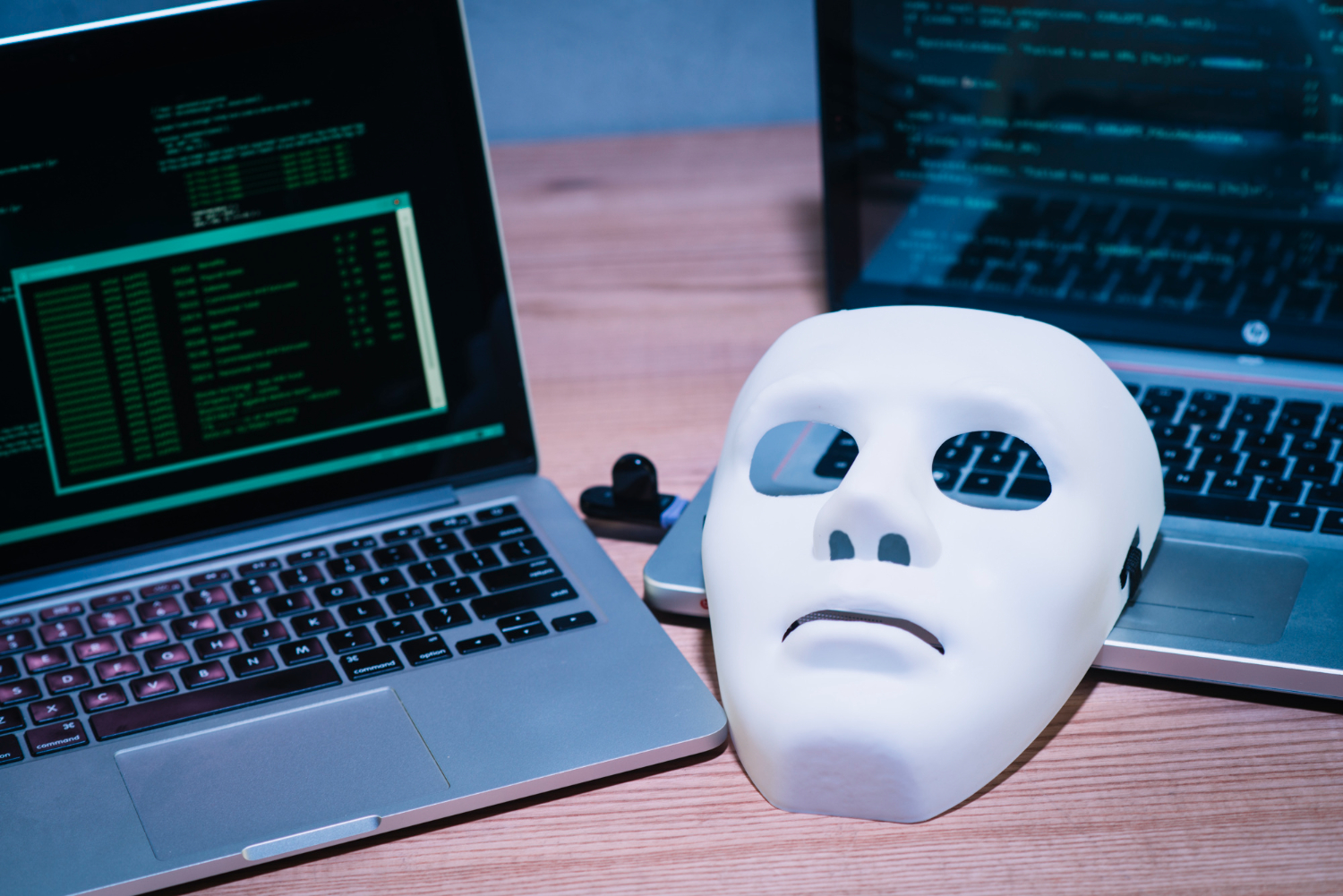
The conversation around AI has largely centered on jobs, automation, and the fear of human labor being replaced. Factories adopting robots, offices experimenting with AI-driven scheduling, and creative industries testing generative tools have sparked endless debates. Yet, in my view, the biggest danger is not the disappearance of work. It is the subtle, creeping flood of misinformation that AI systems can generate, amplify, and disguise so effectively that it often goes unnoticed until the damage is done.
The Shift in Focus from Jobs to Information Integrity
Much of the public discourse on AI has been shaped by the idea that machines are taking away livelihoods. I understand why this perspective dominates because economic survival is an immediate concern for everyone. However, I believe the far greater long-term threat lies in how AI transforms the way information circulates. Unlike the job market, which can eventually adapt through retraining, reskilling, and new opportunities, the collapse of trust in information undermines the very foundation of decision-making in society.
When information itself becomes unreliable, every sector, politics, science, education, health, and even personal relationships, feels the ripple effect. Jobs can be replaced, but the erosion of truth creates a far more dangerous vacuum that cannot be easily repaired.
How AI Accelerates the Spread of False Information
AI systems are designed to learn from data, and that data reflects human content both good and bad. When these models produce outputs, they are not thinking critically or weighing evidence. They simply generate based on patterns, regardless of whether those patterns are accurate or misleading. This is why we now see AI-generated fake news articles, fabricated images, and entirely synthetic videos that can make even the most outlandish claim appear legitimate.
The sheer speed and scale of AI generation make the issue worse. A single person with access to generative tools can now create misinformation at a rate that would have required entire organizations in the past. Social media platforms then amplify this content, giving it reach and credibility simply because it is widely shared. I have noticed that once something spreads online, many people treat it as truth, regardless of later corrections.
The Challenge of Distinguishing Fact from Fabrication
Traditional misinformation, rumors, biased reporting, propaganda, has always existed. What makes AI-driven misinformation particularly dangerous is the sophistication with which it disguises itself. A fake video of a political leader giving a speech that never happened is far more convincing than a poorly edited clip from decades past. AI-generated voices that mimic real individuals can fool even trained professionals.
I often ask myself how an average person, who is not an expert in digital forensics, can realistically identify such fabrications. The answer is troubling because without advanced tools, most people cannot. That means we are rapidly moving into an environment where trust is eroded by default. If every image, recording, or article could potentially be synthetic, then doubt becomes the default lens through which people view the world.
The Psychological Impact of Constant Doubt
I find the psychological consequences of AI-driven misinformation just as concerning as the misinformation itself. When people no longer know what to trust, cynicism takes root. If all sources of information feel compromised, individuals may retreat into echo chambers, trusting only what aligns with their preexisting beliefs. This does not strengthen truth; it fractures society further by reinforcing division.
I’ve noticed how this plays out in online communities where misinformation flourishes. Even after false claims are debunked, large groups continue to believe them because they have lost trust in traditional authorities. This lack of shared reality is perhaps the greatest threat of all, as it prevents collective action on urgent issues like climate change, public health, and governance.
The Role of Media and Platforms in Amplification
While AI tools create misinformation, they are not the only culprit. Social media platforms and online publishers have business models that thrive on attention. Controversial, sensational, and polarizing content generates more engagement than sober reporting. As a result, misinformation powered by AI often receives more visibility than verified facts.
I think this creates a dangerous feedback loop. Platforms prioritize content that triggers reactions, which encourages bad actors to produce even more AI-generated misinformation because it guarantees visibility. Once enough people engage with that content, it gains credibility through numbers alone, making it nearly impossible to contain.
Regulation and Policy Responses
There is no simple solution to this problem, but I believe regulation must play a role. The challenge, however, lies in crafting rules that preserve free expression while curbing deliberate deception. Governments across the world are experimenting with legislation around deepfakes, synthetic content, and transparency requirements. Some propose mandatory labeling of AI-generated material, while others suggest fines for platforms that fail to remove harmful fabrications quickly.
I find myself conflicted on this issue. On one hand, transparency seems like the logical first step. If content is clearly labeled as AI-generated, then at least viewers are informed. On the other hand, labels can be ignored, faked, or overlooked, especially in fast-moving digital environments. Enforcement is another challenge, given how global the internet is. A regulation in one country may be ineffective against misinformation generated halfway across the world.
The Responsibility of Developers and Companies
Beyond governments, AI developers themselves have a responsibility to anticipate and mitigate misuse. Some companies are already investing in watermarking technology, detection tools, and ethical guidelines. Yet, I sometimes feel these measures are more about public relations than genuine protection. Tools capable of generating misinformation are still widely available, and safeguards are often minimal or easy to bypass.
If developers continue to prioritize market competition over safety, the problem will only grow. I think back to the early days of social media when platforms insisted they were just neutral hosts of content. That claim collapsed under the weight of evidence showing how algorithms shaped behavior. I fear AI companies may be repeating the same mistake by underestimating their influence over global information flows.
What Individuals Can Do
Even though the problem feels overwhelming, I believe individuals are not powerless. Practicing critical consumption of media is more important than ever. This includes cross-checking sources, resisting the urge to immediately share sensational content, and cultivating patience before forming conclusions.
I personally try to pause before reacting online, asking myself whether the information could have been generated artificially. Often, a quick search across multiple credible sources reveals discrepancies that signal fabrication. Encouraging this kind of skeptical but thoughtful behavior at a wider scale could slow the spread of misinformation, even if it cannot eliminate it.
Education as a Long-Term Defense
Education plays a vital role in defending against misinformation. Media literacy should not be treated as a luxury or elective subject but as a core skill taught from a young age. People should be trained not only to use digital tools but also to question them.
In my experience, even simple awareness goes a long way. When people know how easily AI can fabricate realistic content, they tend to become more cautious about accepting information at face value. Expanding this awareness through schools, community programs, and workplace training could build resilience against manipulation.
Why Misinformation Outweighs Job Loss in Risk
The fear of job loss due to AI is tangible, but it is also something humanity has confronted before during previous industrial and technological revolutions. Work adapts, economies adjust, and new industries emerge. The danger of misinformation, however, strikes at a deeper level. It destabilizes trust, corrodes institutions, and polarizes communities. Unlike lost jobs, lost truth is far harder to restore.
I view this as the true existential risk of AI, not machines outperforming humans in tasks, but machines reshaping the very reality in which humans operate. If society cannot agree on basic facts, then cooperation, democracy, and even everyday human relationships become fragile.
Moving Forward with Awareness and Action
The future does not have to be defined by misinformation, but preventing that outcome requires collective effort. Developers must build safeguards, policymakers must enact thoughtful regulation, platforms must shift their priorities, and individuals must practice caution. None of these solutions work alone, but together they could prevent AI from overwhelming us with falsehoods.
I believe the way forward is not to fear AI as a tool, but to fear complacency in how we allow it to shape our world. Jobs will evolve, industries will shift, but if truth itself becomes optional, then we risk losing far more than employment. The battle for information integrity is already underway, and it demands our attention before the damage becomes irreversible.
